Category: Social Media Optimization

  • Why Your Website Matters More Than Social Media in 2026

    Why Your Website Matters More Than Social Media in 2026

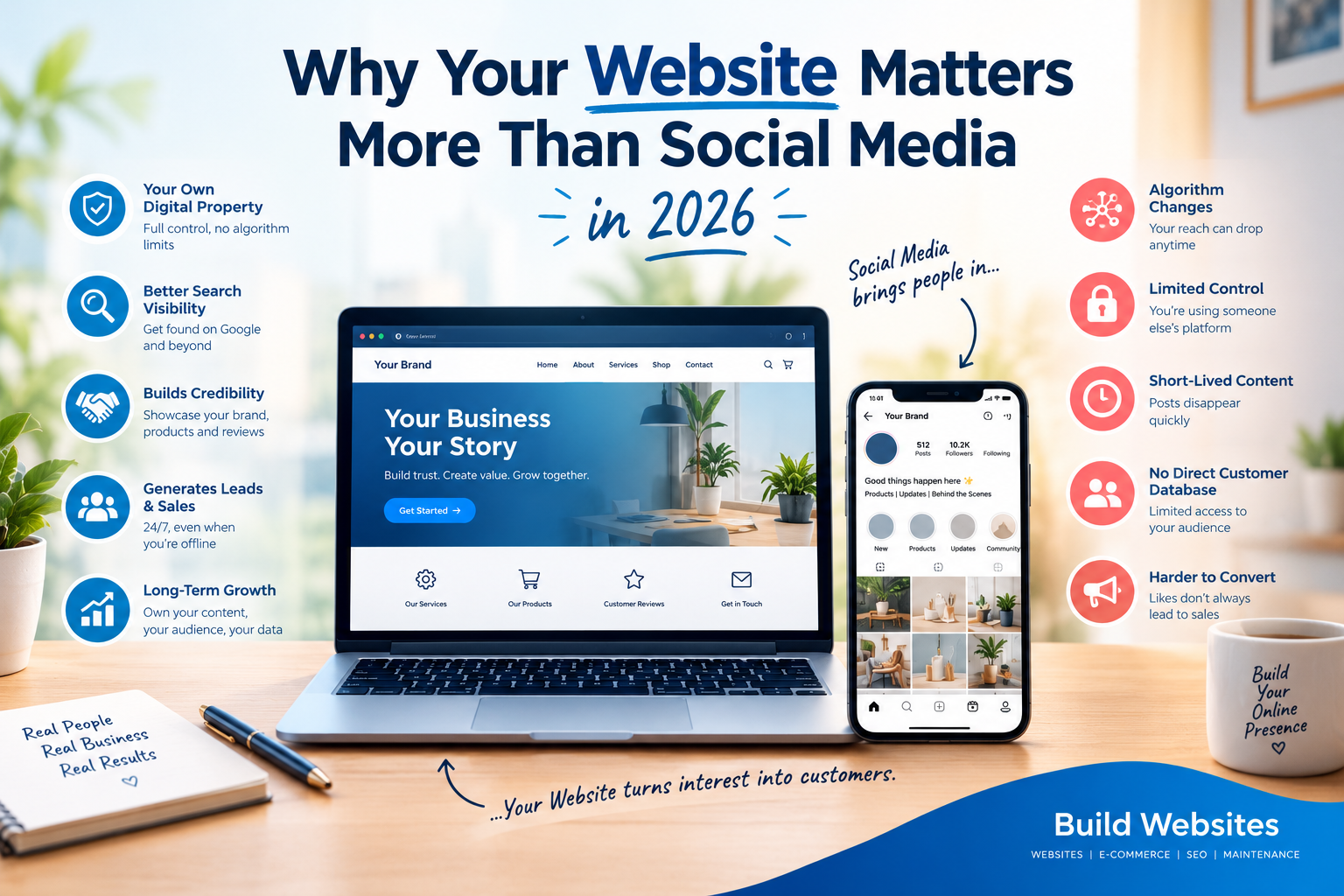
    Social media has become an essential part of modern business marketing. Platforms like Instagram, Facebook, LinkedIn, and YouTube help businesses connect with audiences, promote products, and build brand awareness. However, relying entirely on social media to grow a business can be risky.

    In 2026, having a professional website is more important than ever. Social media can help people discover your business, but your website gives them a reliable place to learn about your services, explore your offerings, and take action.

    A website is not simply an online presence. It is a digital asset that your business owns and controls.

    Let’s understand why a website can be more valuable to your business in the long run than relying only on social media.

    1. Your Website Is Your Digital Property

    When you build a business presence on social media, you are using a platform owned and controlled by another company.

    Social media platforms can change their algorithms, policies, features, and reach at any time. Your posts may receive fewer views even if you have a large following.

    A website gives you greater control over your online presence.

    You decide:

    • How your business is presented.
    • What information visitors can access.
    • How your products and services are organised.
    • Which features and functionalities you offer.
    • How customers contact or purchase from you.

    Unlike a social media profile, your website is a digital property that you can develop according to your business goals.

    2. You Are Not Dependent on Social Media Algorithms

    One of the biggest challenges of social media marketing is unpredictable reach.

    You may spend hours creating content, but only a small percentage of your followers might see it. Changes in platform algorithms can affect how frequently your content appears in users’ feeds.

    A website gives your business another way to attract visitors.

    With search engine optimisation (SEO), useful blog content, and properly structured website pages, potential customers can discover your business through Google and other search engines.

    Your website can continue attracting visitors even when you are not publishing daily social media posts.

    3. A Website Builds Greater Business Credibility

    Customers often research a business before making a purchase or contacting a service provider.

    A professional website helps establish trust by providing essential business information in one place.

    You can showcase:

    • Your company’s background and experience.
    • Products and services.
    • Portfolio and previous projects.
    • Customer testimonials and reviews.
    • Contact details and business location.
    • Frequently asked questions.

    While a social media profile is useful for engagement, a well-designed website offers a more organised and comprehensive presentation of your business.

    For many customers, having an official website makes it easier to verify that a business is established and accessible.

    4. Your Website Helps You Get Found on Search Engines

    Social media content is generally discovered through platform feeds, recommendations, hashtags, and searches within individual platforms.

    A website gives your business the opportunity to appear in search engine results when people look for relevant products, services, or information.

    For example, someone searching for:

    • Website development company in Kolkata
    • Best jewellery store online
    • Digital marketing services for small businesses
    • Affordable website design for startups

    may discover relevant business websites through Google.

    By publishing helpful content, targeting relevant keywords, improving technical SEO, and maintaining useful website pages, you can build long-term organic visibility.

    Your website can also provide structured information that helps search engines and AI-powered search experiences understand your business.

    5. You Have More Control Over Customer Experience

    Social media platforms provide a standardised layout. Although you can customise your profile to some extent, you cannot completely control the user experience.

    A website allows you to design the customer journey around your business objectives.

    You can include:

    • Dedicated service and product pages.
    • Custom enquiry forms.
    • Online booking systems.
    • Product filters and search.
    • Shopping carts and checkout facilities.
    • WhatsApp integration.
    • Live chat and customer support.
    • Downloadable catalogues and resources.

    For example, an e-commerce business can create a complete shopping experience with product categories, detailed descriptions, payment options, order tracking, and customer accounts.

    This level of flexibility makes a website a powerful business tool rather than just a promotional platform.

    6. Your Website Can Generate Leads and Sales 24/7

    Your social media accounts can attract attention, but customers may still need to send messages, wait for replies, or request additional information before taking action.

    A website can automate several parts of this process.

    A business website can:

    • Collect enquiries through contact forms.
    • Display services and pricing information.
    • Accept online orders.
    • Process payments.
    • Schedule appointments.
    • Provide answers through FAQs.
    • Capture potential customer information with permission.

    This means customers can explore your business and take the next step even outside your regular working hours.

    A well-structured website reduces unnecessary communication and makes it easier for interested visitors to become customers.

    7. Your Website Supports Long-Term Content Marketing

    Social media posts often have a short period of visibility. A post may receive engagement for a few days and then disappear from the audience’s attention.

    Website content can have a much longer lifespan.

    Blogs, guides, tutorials, case studies, and service pages can continue attracting relevant visitors through search engines.

    For example, a web development company publishing articles about website design, SEO, security, and e-commerce can attract business owners who are actively looking for solutions.

    You can also share these articles across social media platforms, giving each piece of content multiple opportunities to reach potential customers.

    8. You Can Build Your Own Customer Database

    Social media followers are not the same as customers whose contact information you have permission to use.

    Your followers remain part of a platform’s ecosystem, and you may not always have direct access to them.

    A website can help you build direct customer relationships through:

    • Newsletter subscriptions.
    • Enquiry forms.
    • Customer registration.
    • Account creation.
    • Order information.
    • Permission-based email marketing.

    With appropriate privacy policies and consent, you can use these channels to communicate with customers, share updates, and build long-term relationships.

    This reduces your dependence on any single social media platform.

    9. A Website Strengthens Your Social Media Marketing

    Choosing between a website and social media is not necessary. Both can work together.

    Social media is excellent for creating awareness, sharing updates, engaging with followers, and building a community.

    Your website can turn that interest into meaningful business actions.

    Consider this simple customer journey:

    1. A potential customer discovers your Instagram post.
    2. They visit your website to explore your products or services.
    3. They read customer reviews and learn more about your business.
    4. They submit an enquiry or place an order.

    In this approach, social media attracts attention while your website provides the information and functionality needed to convert that attention into action.

    10. Your Website Prepares Your Business for the Future of AI Search

    Online search is evolving. People are increasingly using AI-powered tools and conversational search experiences to discover businesses, compare services, and find answers.

    A properly structured website can help these systems understand your business more clearly.

    Important elements include:

    • Clear and informative website content.
    • Proper heading structure.
    • Organisation and Local Business schema where relevant.
    • Frequently asked questions.
    • XML sitemap.
    • Appropriate robots.txt configuration.
    • Consistent business information.
    • Relevant internal links and well-organised pages.

    No website can guarantee that an AI platform will recommend or mention a business. However, maintaining accurate, accessible, and well-structured information gives search systems a better foundation for understanding your business.

    Website vs Social Media: Which Is Better for Your Business?

    Both serve different purposes. Here is a simple comparison:

    Feature Business Website Social Media
    Ownership Greater control Platform-controlled
    Design flexibility Highly customisable Limited
    Search visibility SEO and search discovery Platform-based discovery
    Customer experience Customised Standardised
    Lead generation Forms, bookings, enquiries Messages and platform tools
    E-commerce Complete online store Platform-dependent features
    Content lifespan Can remain discoverable long-term Often short-lived
    Customer database Can build with consent Limited platform access
    Brand presentation Fully customisable Profile-based

    Should You Choose a Website or Social Media?

    The best approach is to use both strategically.

    If you are a new business, social media can help you start building an audience without a large initial investment. However, you should consider developing a professional website as your business grows.

    If you already have an established business, relying only on social media may limit your opportunities to attract search traffic, generate enquiries, and build a more independent online presence.

    Your website should act as the central hub of your digital presence, while social media platforms should support your marketing and customer engagement activities.

    Final Thoughts

    In 2026, social media is an important marketing channel, but it should not be the only foundation of your business’s online presence.

    A website gives you greater control, improves your opportunities for search visibility, builds credibility, supports customer engagement, and creates a platform that can grow alongside your business.

    Think of social media as a way to bring people to your business and your website as the place where they can properly understand, trust, and connect with your brand.

    Don’t just build followers. Build your digital presence.

    At Build Websites, we help businesses establish a professional online presence through responsive website design, e-commerce development, SEO, website maintenance, and AI Search Optimization.

    Your business deserves more than just a social media profile. It deserves a website that works for it.
  • How Websites Support Digital Marketing Campaigns

    How Websites Support Digital Marketing Campaigns

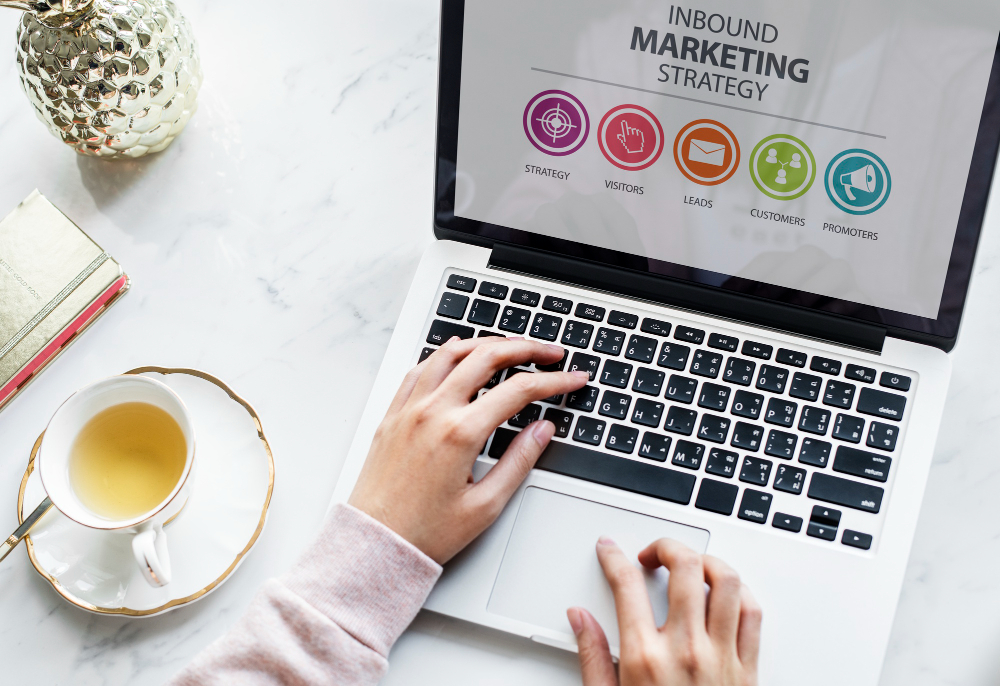
    Digital marketing campaigns can drive traffic, generate awareness, and bring potential customers to your business — but without a strong website, those efforts often fail to convert. Your website acts as the central hub where all marketing activities lead.

    In 2025, a well-designed website is not just a destination; it’s a powerful marketing tool that supports every stage of your digital campaigns.

    Your Website Is the Conversion Hub

    Whether you run social media ads, Google Ads, email campaigns, or SEO strategies, all traffic eventually lands on your website. If your website isn’t designed to convert visitors into leads or customers, your marketing budget is wasted.

    A conversion-focused website ensures:

    • Clear calls-to-action
    • Simple navigation
    • Fast loading pages
    • Optimized landing experiences

    Landing Pages Improve Campaign Performance

    Dedicated landing pages tailored to specific campaigns significantly increase conversion rates. Instead of sending users to a generic homepage, targeted pages help match user expectations and improve engagement.

    Effective landing pages:

    • Highlight one clear offer
    • Provide focused content
    • Reduce distractions
    • Encourage immediate action

    SEO Strengthens Long-Term Campaign Results

    Search engine optimization helps your website attract organic traffic alongside paid campaigns. A well-structured website supports content marketing, keyword targeting, and long-term visibility.

    SEO-driven websites ensure your marketing efforts continue to deliver results even after campaigns end.

    Website Speed and UX Influence Ad Performance

    Ad platforms often consider landing page experience when determining ad quality scores. Slow or confusing websites increase bounce rates and reduce campaign effectiveness.

    A fast, user-friendly website:

    • Improves engagement
    • Reduces cost-per-click
    • Increases conversions

    Analytics Help Measure Campaign Success

    Your website provides valuable data about visitor behavior. Tracking tools help you understand which campaigns drive results and which need improvement.

    Key metrics include:

    • Conversion rate
    • Bounce rate
    • Session duration
    • User journey tracking

    Content Marketing Lives on Your Website

    Blogs, case studies, and service pages help educate potential customers and support long-term digital marketing strategies. A website acts as the foundation where all valuable content resides.

    Strong content builds authority and nurtures leads over time.

    Retargeting and Automation Depend on Your Website

    Modern marketing uses retargeting pixels and automation tools that rely on website interactions. Without a properly configured website, remarketing campaigns lose effectiveness.

    Your website enables:

    • Retargeting ads
    • Email automation
    • Personalized marketing experiences

    Final Thoughts

    Digital marketing campaigns bring visitors — but your website turns them into customers. In 2025, businesses need websites that support marketing goals through performance, user experience, and conversion-focused design.

    At Build Websites, we create marketing-ready websites that help businesses maximize their digital campaigns and achieve measurable growth.

  • What to Do After Launching Your New Website

    What to Do After Launching Your New Website

    Launching your website is a big milestone — but it’s only the beginning. Many businesses assume their job is done once the website goes live. In reality, what you do after launch plays a huge role in your website’s success.

    Here’s a practical checklist to help you make the most of your newly launched website.

    1. Test Everything Thoroughly

    After launch, test every part of your website again. Check contact forms, buttons, menus, links, and downloads. Make sure emails are being delivered correctly and that forms are reaching the right inbox.

    Also test your website on different browsers and devices to ensure it works smoothly everywhere.

    2. Set Up Google Analytics and Search Console

    Tracking is essential. Connect your website with Google Analytics to understand visitor behaviour, traffic sources, and popular pages.

    Google Search Console helps you monitor how your site appears in search results, detect indexing issues, and improve SEO performance.

    Without these tools, you’re flying blind.

    3. Check Website Speed and Performance

    Website speed directly impacts user experience and search rankings. Use tools like PageSpeed Insights to check loading speed and performance issues.

    Optimise images, enable caching, and ensure your hosting environment is reliable. A fast website keeps visitors engaged and reduces bounce rates.

    4. Ensure Basic SEO Is in Place

    Make sure each page has proper meta titles and descriptions, heading structure, and optimised images with alt text.

    Submit your sitemap to search engines and ensure your website is indexable. These small steps help your website get discovered faster.

    5. Secure Your Website

    Security should never be an afterthought. Ensure SSL is active, plugins and themes are updated, and strong passwords are used.

    If you’re using WordPress, install a trusted security plugin to protect against malware, spam, and hacking attempts.

    6. Create a Content Plan

    A website without fresh content can quickly become inactive. Plan regular blog posts, updates, or announcements that provide value to your audience.

    Consistent content helps with SEO, builds trust, and keeps your website relevant.

    7. Connect Your Website to Social Media

    Link your website with your social media profiles and add social sharing buttons where relevant. Promote your website launch across all platforms to drive initial traffic.

    Social signals also help build credibility and visibility.

    8. Set Up Backups

    Always have a backup system in place. Automatic backups protect your website from data loss due to technical failures or cyber attacks.

    This ensures peace of mind and quick recovery if something goes wrong.

    9. Monitor and Improve Regularly

    Once your website is live, review its performance regularly. Track visitor behaviour, page performance, and conversions.

    Use these insights to improve content, navigation, and user experience over time.

    10. Get Professional Support When Needed

    Managing a website is an ongoing process. Having expert support ensures your website stays secure, fast, and updated.

    At Build Websites, we help businesses maintain, optimise, and grow their websites long after launch.

  • What are the Easy Tactics for Social Media Optimization for Quicker Growth?

    What are the Easy Tactics for Social Media Optimization for Quicker Growth?

    Social media optimization (SMO) is not just making overall social media strategy. It is a chance of doing works even better way.

    With the help of SMO the business owners, content creators, and also social media marketers acquire maximum from their social media presence.


    What is SMO?

    SMO i.e. Social media optimization is a practice that helps you to improve your social posts or your complete social media strategy to accomplish superior results: increase engagement levels, rapid follower growth, improvement in clicks as well as conversions, etc.

    SMO involve various different tactics and techniques that differ in scope & complexity:

    • Elementary enhancements on specific post level, such as asking engaging query in the caption of the post or choosing a grabbing thumb-stopping visual
    • Advanced enhancements, such as redefining the brand’s appearance on social media

    SMO is an opportunity to analyse and adjust your performance on social media to improve it.


    Benefits of SMO

    Let’s have a look on how correct social media optimization tactics can improve your social media efforts:

    • Strengthens online presence
    • Connects & engages with viewers on a deeper level
    • Improves brand awareness
    • Increases reach in social media
    • Advances the quality of leads from social media
    • Sells more products and services using social channels


    Easy Tactics for SMO

    To make sure your social media accounts are used as efficiently as possible, follow the below mentioned easy tactics for social media optimization:

    Post at Right Time:

    To gain more on social media, consistent and exciting post content is needed, however to gain maximum engagement, it should be posted on right time too.

    Mostly, posting in social platforms around 10.00 AM on Tuesdays, Wednesdays, as well as Thursdays works the best. But do not overlook that this is a universal guide. Which timing works for your social media pages, totally depends on your audience that may differ from the universal guide.


    Grace Your Bios:

    Your bio in your social media account is possibly one of the main things any new visitor or potential customer will sees when they visit your page. Therefore, it is important to grace your bios as best as possible. And the main information that should be included are:

    • Who you are?
    • What your business does?
    • What you do?
    • The subjects in which you have interest.
    • Your brand’s look.
    • How one can contact you?


    Optimize your links with UTMs:

    SMO often uses links to redirect visitors to any webpage where they continue their engagement. It is essential for driving traffic your website’s contents, or landing pages.

    Therefore, optimizing these links are very essential to understand how your viewers engages with the links those are shared by you. Therefore, by adding UTMs you can quickly & easily track the behaviour of the visitors.


    Images should be in Right Size:

    The brand’s look is everything for any business. Therefore, always make sure the images you post should look professional, sophisticated, and predominantly it is in the right size.


    Post the Accurate Amount:

    You must not bombard your viewers with non-stop posting, also you should not post so less that you drop off their radar. Discovering the ideal social media posting schedule for your posts is important to bring more engagement as well as conversations for your brand.


    Review Your Social Media Strategy:

    Always analyse your present social media strategy and look for the following areas:

    • Are you getting your objectives and goals?
    • Do your social media goals go parallel with your principal marketing strategy?
    • Are you posting the correct content types?
    • Do your posts resonate with your audience?


    Always Consider Your Audience First:

    Analyse the demographics of your audiences and optimize your social media content accordingly to target the right groups.


    Optimize Your Accounts for Search:

    To make your post discoverable by a searcher add important keywords related to your business or brand as hashtag to improve post’s discoverability and boost its organic performance.


    Build Consistency with Your Username:

    Your username across all your social media channels speaks a lot about you or your brand. Hence, it is essential to keep consistency with your username.


    Make Grabbing Headlines & Captions:

    Test and trial the language and words you use in your post’s heading and captions to resonate what attracts your viewers the most. Remember, one content that works best in only social media platform may not work in the other platform.


    Add Tags to Your Posts:

    If your social media posts features any other brand or person, then tagging that brand or person in your post will be the best practice. This practice shows friendliness, and also creates natural conversation & communication with your post.

    Build Websites is a popular digital marketing and web development company in India and we offer best social media optimization and social media marketing services to our customers. For more information, contact us today!